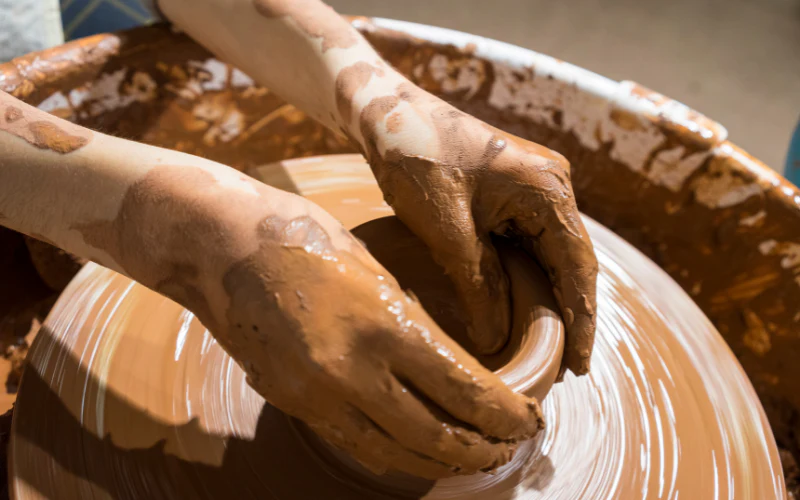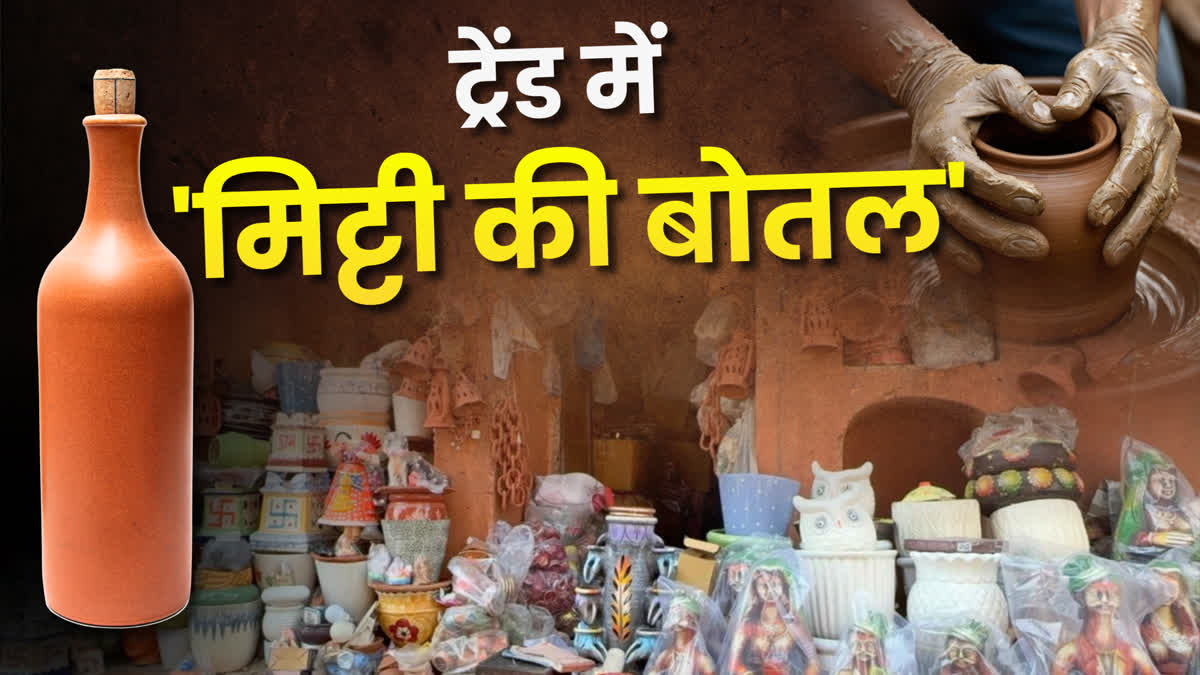

Earthenware, or mitti ke bartan, holds a sacred place in Indian culture that spans thousands of years back to the Indus Valley Civilization. Beyond their aesthetic appeal, clay utensils form a bridge between ancient wisdom, health, and sustainability.
Cultural and Ritualistic Significance
Purity and Rituals: In Hindu tradition, clay is considered sacred (shuddh) because it directly connects to the element of Earth (Prithvi). Freshly fired clay vessels are used for traditional pujas, festival meals, and offering prasad during occasions like Diwali, Chhath Puja, and Sankranti.
Symbol of Equality: Clay pots have historically served as a universal culinary medium, uniting communities across various economic and social strata.
Health and Wellness Benefits
Alkaline Balance: Natural clay is inherently alkaline. When cooking acidic ingredients, earthenware neutralizes the pH balance, making food easier to digest and gentler on the stomach.
Nutrient Retention: The porous nature of clay allows heat and moisture to circulate evenly through slow cooking, retaining essential nutrients like calcium, iron, magnesium, and sulfur that are often lost in metal cookware.
Natural Cooling: Clay water pots (matkas) cool water naturally through evaporation without requiring electricity or artificial refrigeration.
Environmental & Economic Impact
100% Biodegradable: Unlike plastic, aluminium, or stainless steel, clay returns directly to the soil at the end of its life cycle without causing environmental harm.
Sustaining Artisans: Purchasing earthenware directly supports rural artisans, potters (kumhars), and indigenous craft communities preserving traditional heritage.
Embracing mitti ke bartan is more than just maintaining a tradition; it is a conscious choice toward an eco-friendly, nutrient-rich lifestyle rooted in cultural identity.